
Reverse mortgage (Spanish: hipoteca inversa) is a well-established instrument in Spain. It allows a property owner to receive cash secured by their home without selling it and without losing the right to live in it. Most often, this mechanism is used by older owners for whom real estate becomes an additional source of income after retirement – a kind of “financial cushion”.
How it works in practice
Here the logic is the opposite of a traditional mortgage. You don’t pay the bank – the bank pays you.
You remain the owner of the property;
You continue living in your apartment or house;
You receive payments: monthly or as a lump sum.
Interest is not paid during your lifetime; it is accrued and settled later. For many, this is crucial – no regular payments and no pressure on the current household budget.
Who can apply for a reverse mortgage
Typically, the conditions look like this:
Age — from 65 years (sometimes banks consider applications from age 60);
The property is located in Spain and is fully owned;
There is no active mortgage, or the remaining debt is minimal;
A mandatory property valuation (tasación) is carried out.
Each bank presents the details in its own way, so the conditions are always checked on an individual basis.
What happens after the owner’s death
This is a natural question – and this is exactly where the Spanish model looks quite balanced. After the borrower’s death, the heirs can choose one of these scenarios:
Repay the debt (including accrued interest) and keep the property.
Sell the property, settle the obligations to the bank, and keep the remaining funds.
Take no action; in this case, the bank sells the property itself.
Important: Spain applies the principle of heir protection. The reverse mortgage debt cannot exceed the value of the property, and the heirs are not liable for it with their personal assets.
How much you can actually get
The amount of payments depends on several factors:
The owner’s age;
The market value of the property;
The chosen payout scheme.
On average, we are talking about 20–50% of the property’s value. The older the owner, the higher the possible amount – the calculations here are straightforward and generally predictable.
Advantages that shouldn’t be overlooked
Additional income without selling the property
The right to live in the property for life is preserved
No monthly payments
Heirs are protected from debts exceeding the value of the property
For many families, this becomes a smart compromise between quality of life today and inheritance issues tomorrow.
Drawbacks and limitations
Higher interest rate compared to a traditional mortgage.
Reduced size of the inheritance.
Complex contracts that require careful analysis.
Not suitable for everyone as a long-term strategy.
This is why a reverse mortgage should not be seen as a universal solution.
Taxes and key nuances.
Payments under a reverse mortgage are not treated as income and are generally not subject to income tax;
Tax obligations arise only when the property is sold or in the case of inheritance.
As with many matters in Spain, much depends on the autonomous community and the specific situation.
Who a reverse mortgage is really suitable for
Pensioners with limited regular income;
Owners without heirs or with a clear family situation;
Those who want to improve their standard of living without giving up their home.
Conclusion
The hipoteca inversa is not “free money” and not an emergency fix. It is a way to competently monetize real estate while maintaining control and the right to live in it. The tool works, but it requires cool-headed calculations, legal review, and professional advice.
EspanaTour specialists frequently handle such requests as part of comprehensive client service and always recommend considering a reverse mortgage not in isolation, but as part of an overall financial and real estate strategy. In Spain, this approach is a sign of a mature and well-thought-out decision.
 387
387
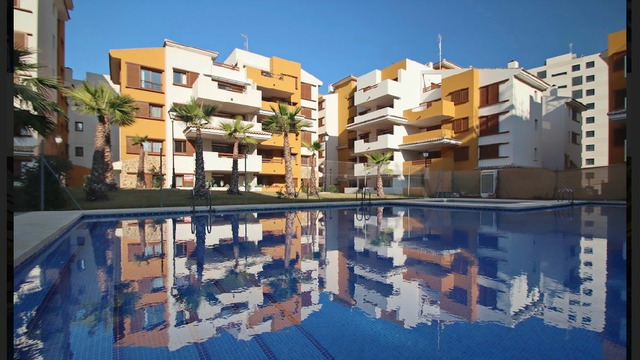
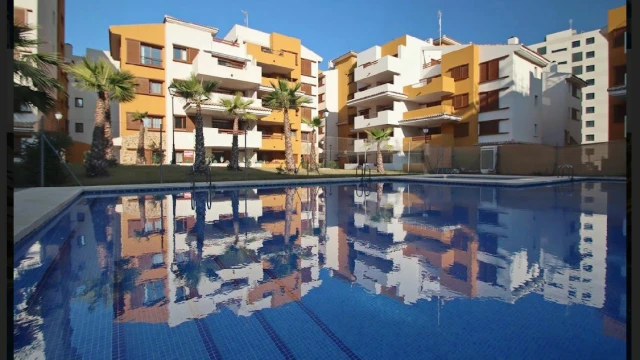
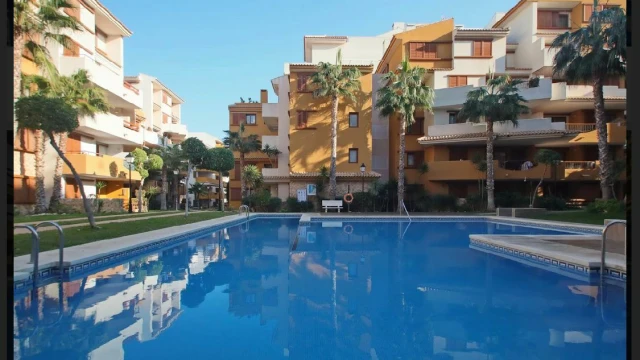
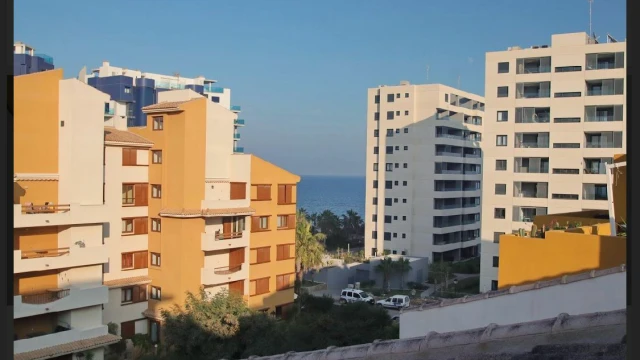
 Built area, m2 : 142
 Bedrooms : 3
 Bathrooms : 2